The Physical AI Revolution 2026: Merging Robotics, IoT, and Intelligence
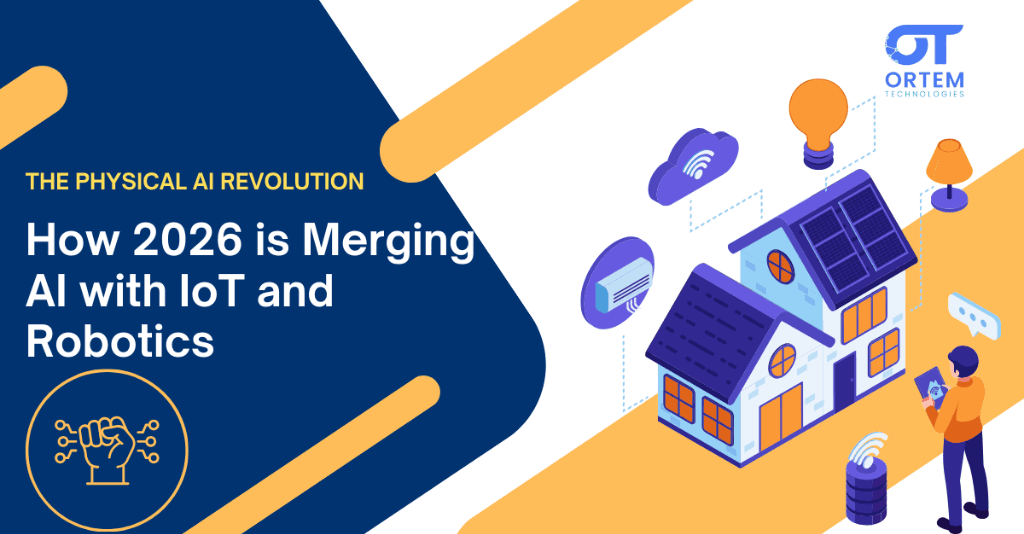
Physical AI is the convergence of robotics, IoT sensors, and Vision-Language Models (VLMs) that gives AI a body in the physical world. In 2026, it powers fully autonomous "Dark Factories" in the USA and Germany, Australia's autonomous mining fleets, and smart city infrastructure in NEOM. The technical stack is: VLMs (GPT-4o Vision) for vision-guided robotics that navigate dynamically, Edge AI on Nvidia Jetson for on-device inference without internet dependency, industrial protocols (Modbus, OPC-UA, MQTT) for legacy machine connectivity, and Digital Twins for simulation before physical deployment.
For the first decade of the AI boom, intelligence was trapped behind a screen. It generated text, images, and code. In 2026, AI has developed a body. This is the era of Physical AI-the convergence of advanced robotics, IoT, and Vision-Language Models (VLMs).
The Bridge Between IT and OT
Information Technology (IT) and Operational Technology (OT) used to be separate worlds. Now, they are indistinguishable.
- Vision-Guided Robotics: Robots no longer need to be hard-coded for every movement. Using VLMs (like GPT-4o Vision), a robot can "see" a messy warehouse shelf, understand what an object is, and decide how to pick it up-just like a human.
- Predictive Maintenance 2.0: IoT sensors don't just report temperature; they listen. AI models analyze the acoustic signature of machinery to predict bearing failures weeks before they happen.
Use Cases Transforming Industries
1. Manufacturing: The "Dark Factory"
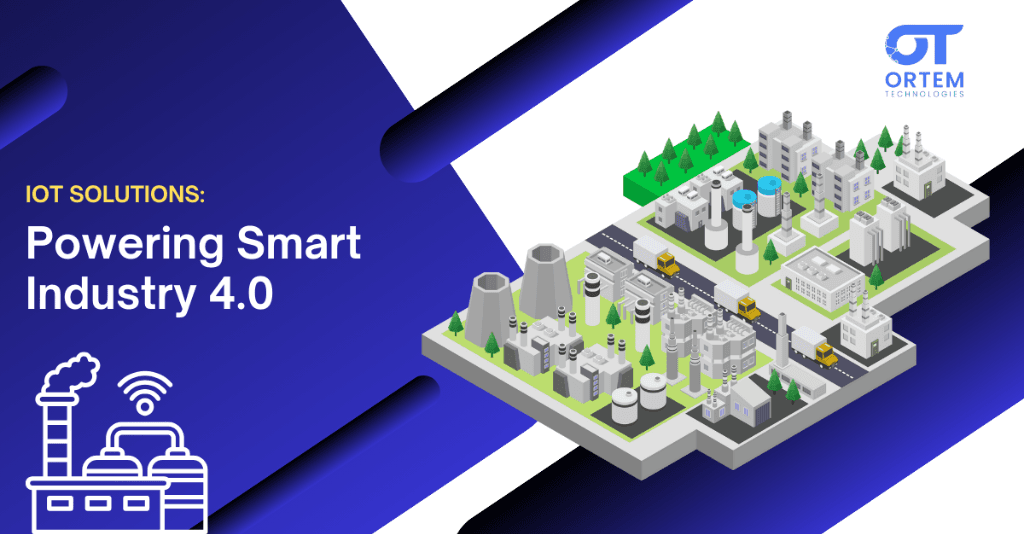
"Dark Factories" (fully autonomous plants) are becoming a reality in USA and Germany. Physical AI agents orchestrate the entire production line, adjusting conveyor speeds and robotic arm torque in real-time to maximize yield.
2. Mining & Resources (Australia)
Australia is leading the world in autonomous field operations. Massive haul trucks, drills, and trains are now fully autonomous, managed by AI systems that optimize routes for fuel efficiency and safety.
3. Smart Cities (Middle East)
In futuristic projects like NEOM, Physical AI manages the city's nervous system-optimizing traffic flow, energy distribution, and waste management dynamically based on real-time population movement.
Practical Example: The Autonomous Warehouse
An eCommerce giant deployed Physical AI robots to their fulfillment center. Instead of following magnetic tape on the floor, these robots use cameras to navigate around spilled boxes and humans dynamically, increasing throughput by 40%.
Why Ortem Technologies Is Your Ideal Partner for AIoT
We specialize in what happens when code meets concrete.
- Edge AI Experts: We deploy models to Nvidia Jetson and Edge TPU devices, ensuring your robots can think even without an internet connection.
- Industrial Protocol Mastery: We speak Modbus, MQTT, and OPC-UA. We connect your legacy machines to modern cloud analytics.
- Safety-Critical Engineering: We build deterministic guardrails into our AI models to ensure that autonomous systems never compromise human safety.
How Ortem Technologies Helps You Deploy Physical AI
- OT/IT Convergence Strategy: We map out how to safely connect your factory floor to the cloud.
- Computer Vision Deployment: We build custom vision models for Quality Assurance (QA) and safety monitoring.
- Digital Twins: We create a virtual replica of your physical assets, allowing you to simulate AI changes before deploying them to the real world.
Get the Ortem Tech Digest
Monthly insights on AI, mobile, and software strategy - straight to your inbox. No spam, ever.
About the Author
Editorial Team, Ortem Technologies
The Ortem Technologies editorial team brings together expertise from across our engineering, product, and strategy divisions to produce in-depth guides, comparisons, and best-practice articles for technology leaders and decision-makers.
Stay Ahead
Get engineering insights in your inbox
Practical guides on software development, AI, and cloud. No fluff — published when it's worth your time.